


There has been a revolution taking place in medical science over the last century. It began in 1922 when at the University of Toronto, the first patient was given an injection of insulin. This, as the table below shows, extended life expectancy for those diagnosed thereafter:

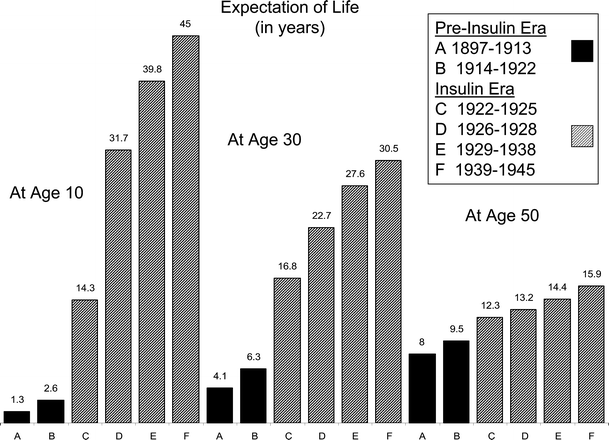
A diabetic life before and after the insulin era.
Then, in 1971, the first at home blood-glucose test was developed, allowing individuals to monitor their levels themselves. This was followed in 1976 by the first glucose pump allowing patients to administer this medication themselves. This combination led to another increase in life expectancy for those diagnosed as it gave individuals the ability to accurately monitor and administer their own insulin levels.
Finally, five years ago today, the FDA approved the first “closed-loop” continuous glucose monitor (CGM) for the treatment of diabetes. CGM use has led to “increases (in) quality of life by allowing informed diabetes management decisions as a result of more optimized glucose control. This leads to a better health and a reduction in diabetic complications.”

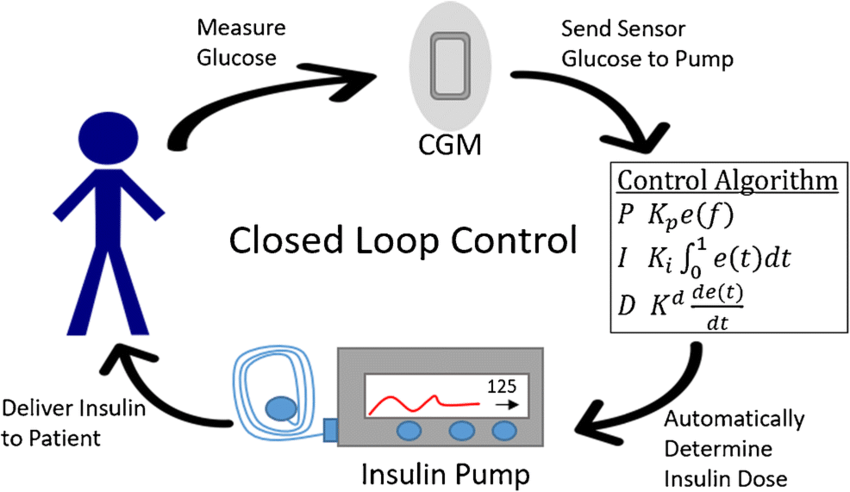
Closed loop control with artificial pancreas. An on body CGM.
As a result, many more individuals living with diabetes have been able to do the one thing we all want, to choose for themselves the kind of life they want to live.
A similar revolution is coming soon for the treatment of Parkinson’s disease.

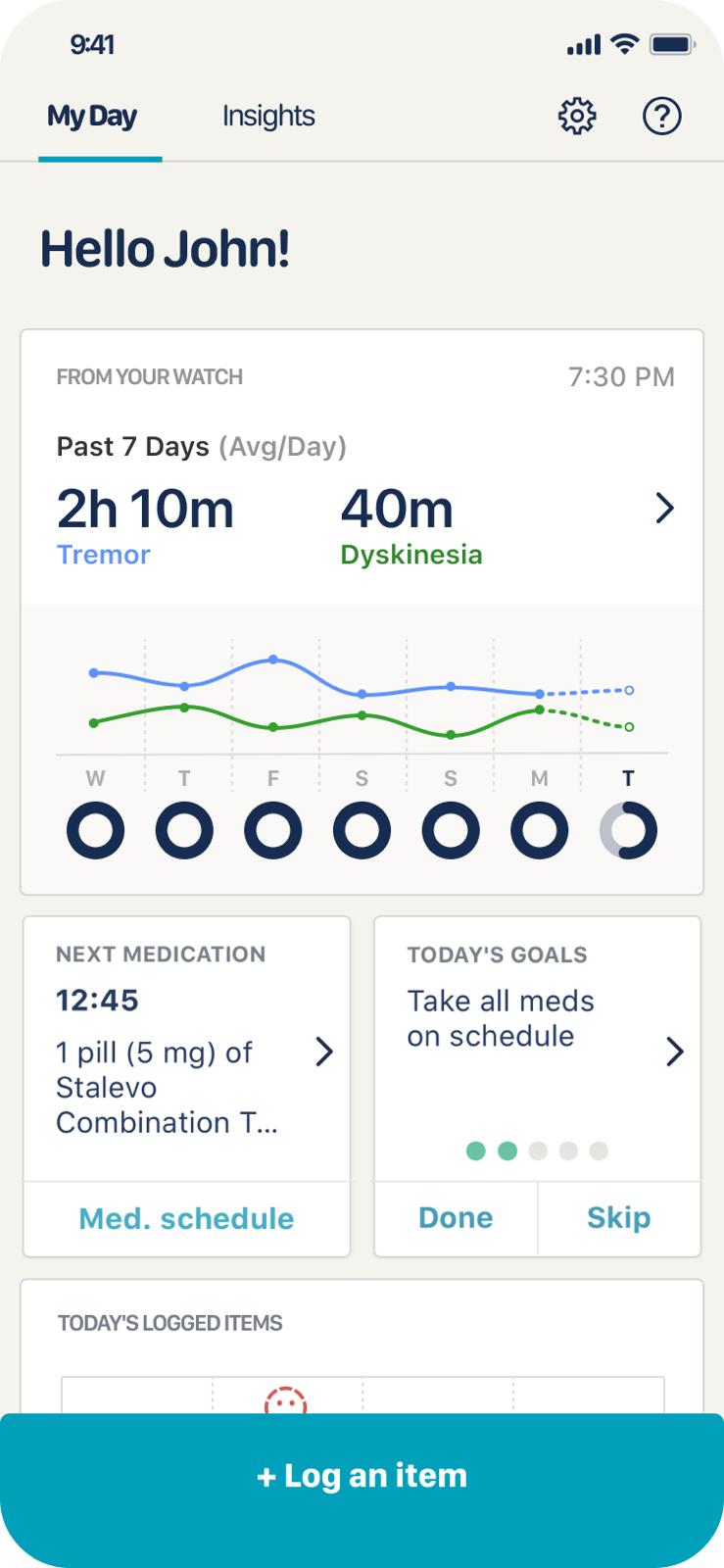
Above is a sneak peek of the updates coming later this month to StrivePD, an app powered by Rune Labs, which is available for free to download from the Apple App Store. (Full disclosure: I chair Rune Labs’ Patient Advisory Board) StrivePD empowers individuals living with Parkinson’s disease with near real-time objective feedback of their tremor and dyskinesia. Anyone wearing an Apple Watch and using StrivePD can now obtain FDA-cleared measures of their symptoms.
But that’s not all. Rune Labs is also working on predicting the trend lines shown above so that soon patients will know when their tremor or dyskinesia is likely to spike. This will allow patients like me to adjust their medication far more effectively than they could before and equips them with better information to share with their doctors during clinical visits.

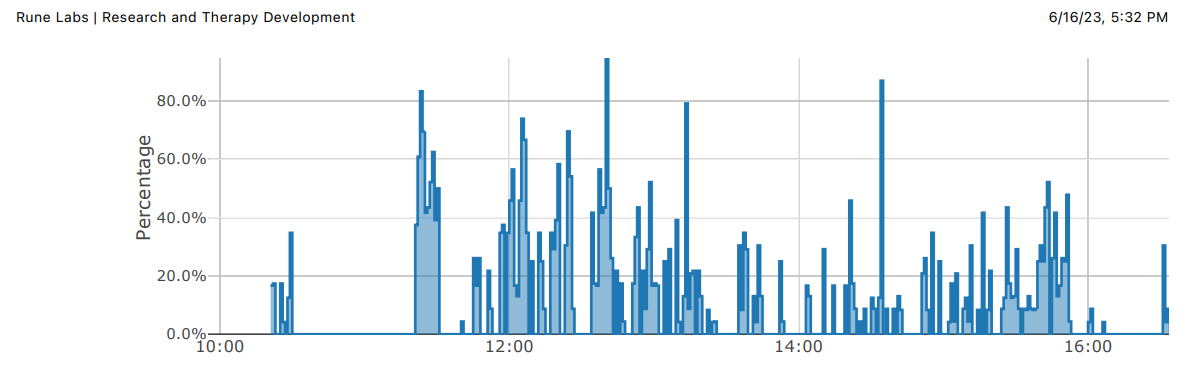
(The above data was taken from my Strive PD Clinician portal and is an accurate summary of the tremor I felt last Friday)
The future looks bright.